

Agentic AI testing tools are changing the landscape
Agentic testing is unlocking the next era of automation with AI agents that autonomously create, run, analyze, and maintain tests.

Test automation built for collaboration and speed
Eliminate testing bottlenecks in your ADLC with agentic testing that complements your team's human expertise, with:
-
Sophisticated Automation: Get robust interaction across web, mobile, and APIs, unlimited parallel execution, and handle complex elements like Shadow DOM, emails, and PDFs.
-
Advanced Intelligence: Use the right intelligence for every task, transforming toil into team velocity.

What does an agentic testing platform look like?
Traditional test automation is a tool that does what you tell it. Agentic testing is a system that acts on your behalf, and keeps acting even when you're not watching.
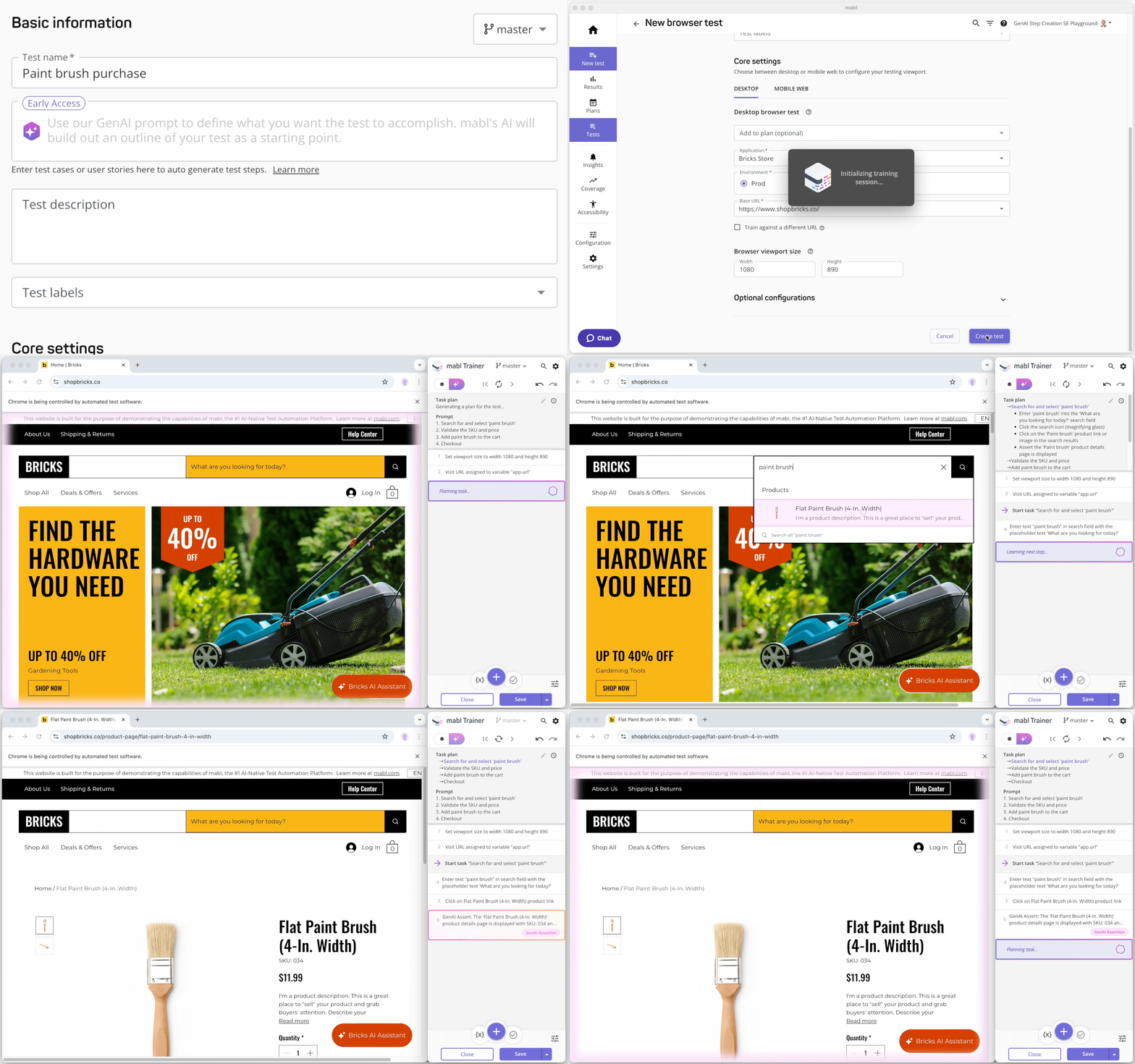
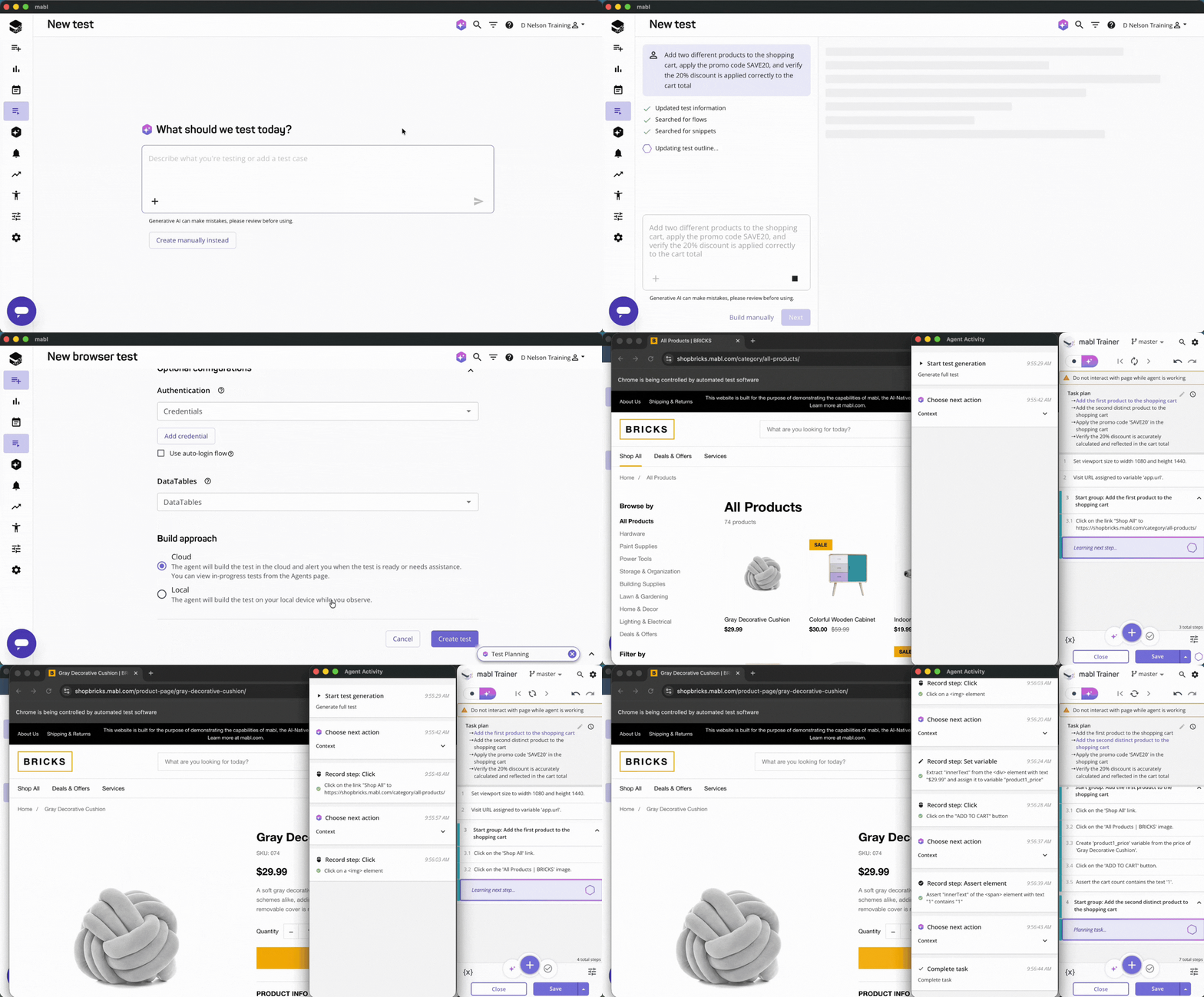
Test Creation
Tests are authored from requirements, user flows, or application exploration. Humans set direction while agents do the work.


Test Execution
Tests run continuously with agents that understand context, knowing not just that something failed, but what changed and why.
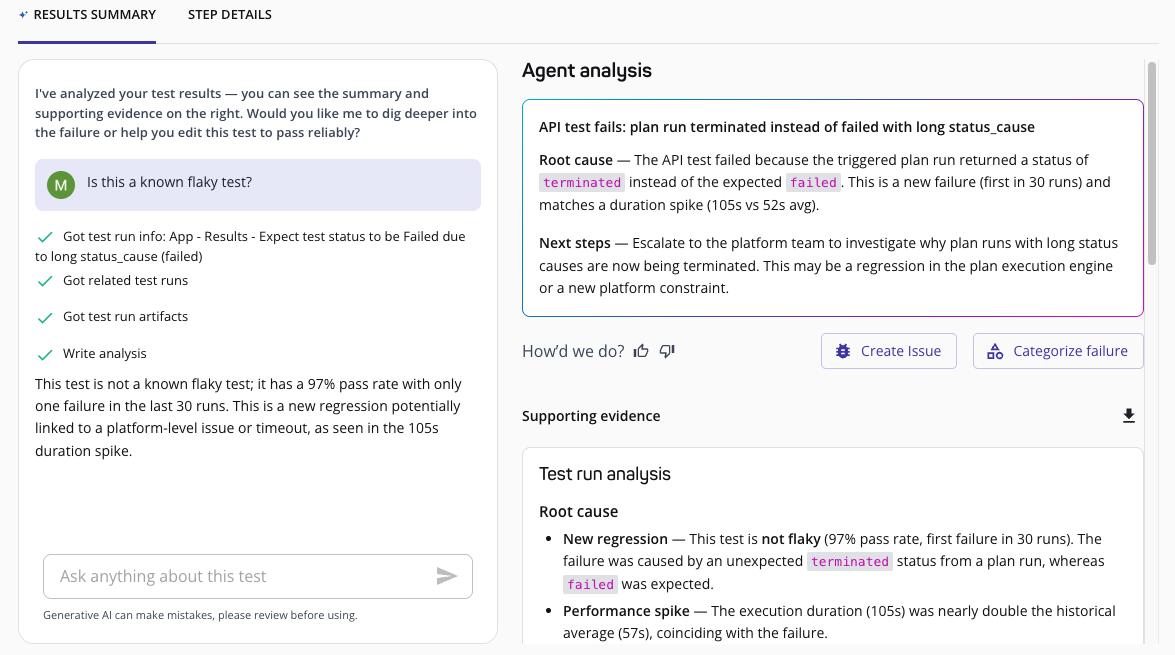
Failure Analysis
Automated root cause analysis helps teams distinguish regressions caused by flakiness from infrastructure noise, before a human has to get involved.


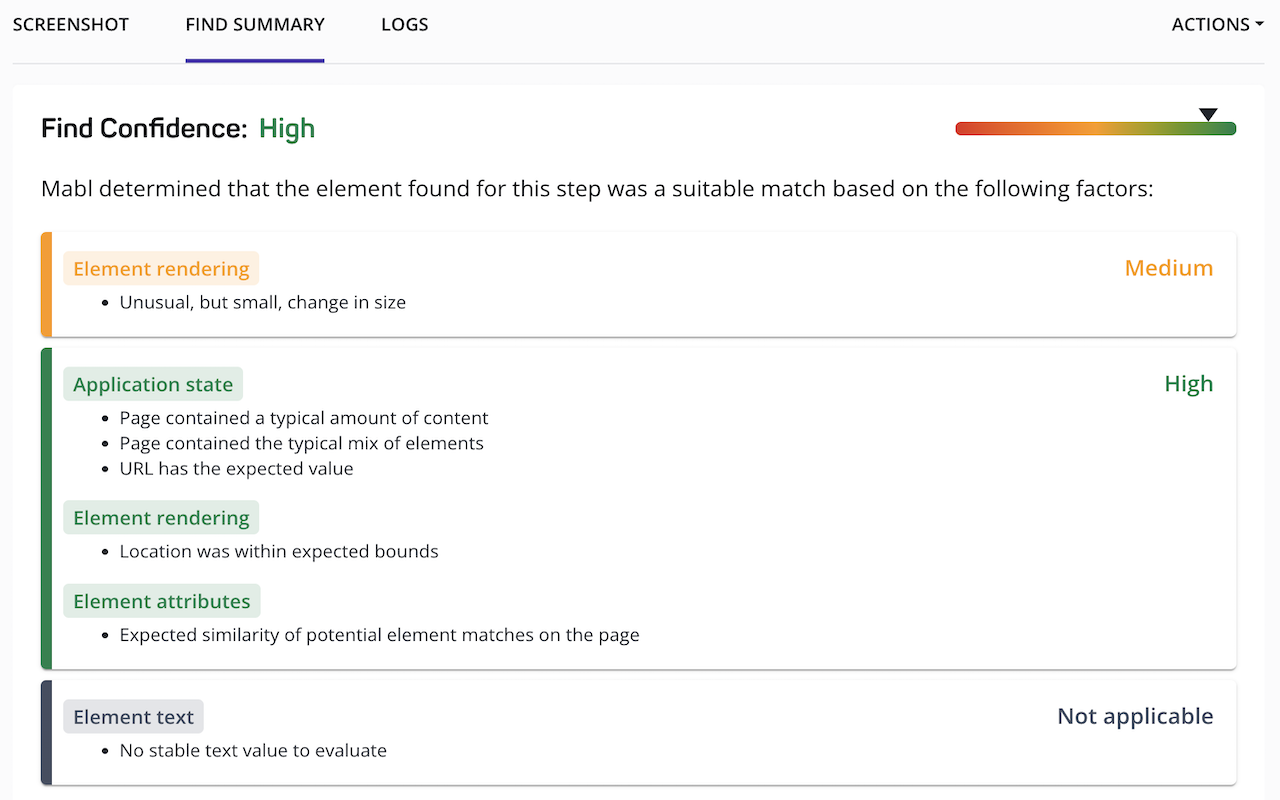
Test Maintenance
mabl detects what changed and proposes recoveries automatically, skipping the requirement of a manual rewrite.
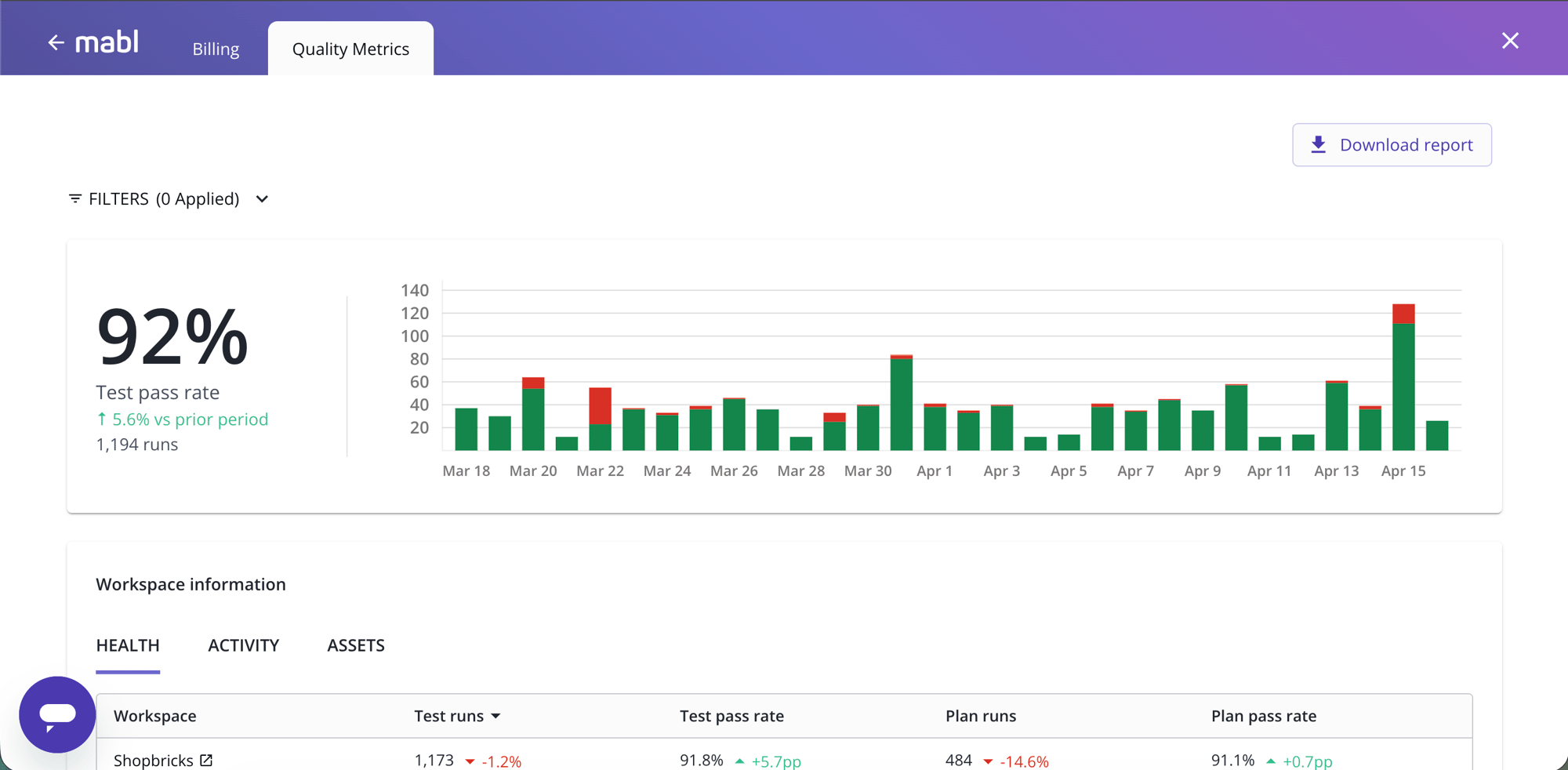
Robust Reporting
Enterprise-level visibility is available for everyone, with account-level dashboards, quality scores across workspaces, audit trails, and reporting that engineering leaders can stand behind.

Agentic testing tools to keep you moving
AI-native testing that moves at the speed of code. Start a free, 14-day trial to see for yourself.
Frequently Asked Questions
What is agentic testing?
Agentic testing uses AI agents to create, run, analyze, and maintain software tests, with people setting direction and approving important changes. It covers more of the testing lifecycle than AI features that handle a single task. mabl’s agents work across web, mobile, and API testing.
How do you implement agentic regression testing on a website?
Start with your site’s critical user journeys and have agents author tests from requirements or user flows. Run them continuously, review proposed fixes, and use failure analysis to separate real regressions from noise. mabl supports this across web, mobile, and API testing.
How does AI root cause analysis cut debugging time?
It examines each failure’s context, such as what changed, screenshots, and logs, and classifies the cause before anyone starts investigating. Teams spend their time on real regressions instead of noise. mabl’s automated root cause analysis separates regressions from flakiness and infrastructure noise.
Can AI test a product the way a real user would?
AI can come closer than scripted automation can. Agents author tests from requirements, user flows, or application exploration, then keep them current as the app changes. mabl runs these journeys across web, mobile, and APIs, including emails, PDFs, and Shadow DOM elements.
How does agentic testing reduce manual testing work?
Agents take on repetitive authoring, execution, triage, and test upkeep, so testers aren’t rerunning scripts or rewriting tests by hand. People still set direction and make release decisions. When the app changes, mabl proposes recoveries automatically instead of requiring a manual rewrite.